Books, objects and posters
Find in the online shop a selection of products related to the author
See full shop
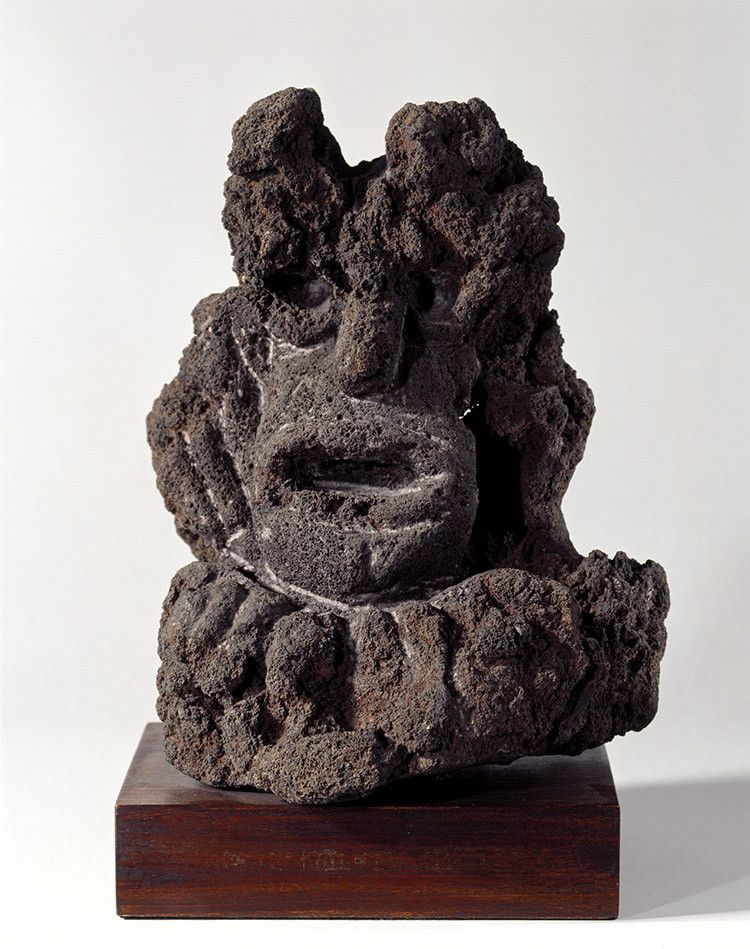
1844-1919, France
The term "Barbus-Müller" was coined by Jean Dubuffet and used in the first Art Brut brochure in 1947 to designate sculptures carved in lava stone. In 1939 the first 10 sculptures appeared on the flea market in Paris, seven of which were acquired by the Genevan collector Josef Müller. Others surfaced in 1945, and in 1951 Dubuffet brought three into the Compagnie de l’Art Brut collection. The pseudonym he invented referred both to the look of the figures – most of them bearded (barbus) – and the family name of their first acquirer.
For 80 years the maker of these enigmatic statues remained anonymous. The use of Auvergne lava stone excluded provenance from an Oceanic or other "primitive" culture, and decades of ceaseless conjecturing proved fruitless until, following the discovery of the photo below, Art Brut expert Bruno Montpied's meticulous investigation brought proof of the artist's identity : a certain Antoine "the Zouave" Rabany, born in 1844 and deceased on January 2, 1919. The sculptures came from Chambon-sur-Lac, in the Puy-de-Dôme region of Auvergne.
Find in the online shop a selection of products related to the author
See full shop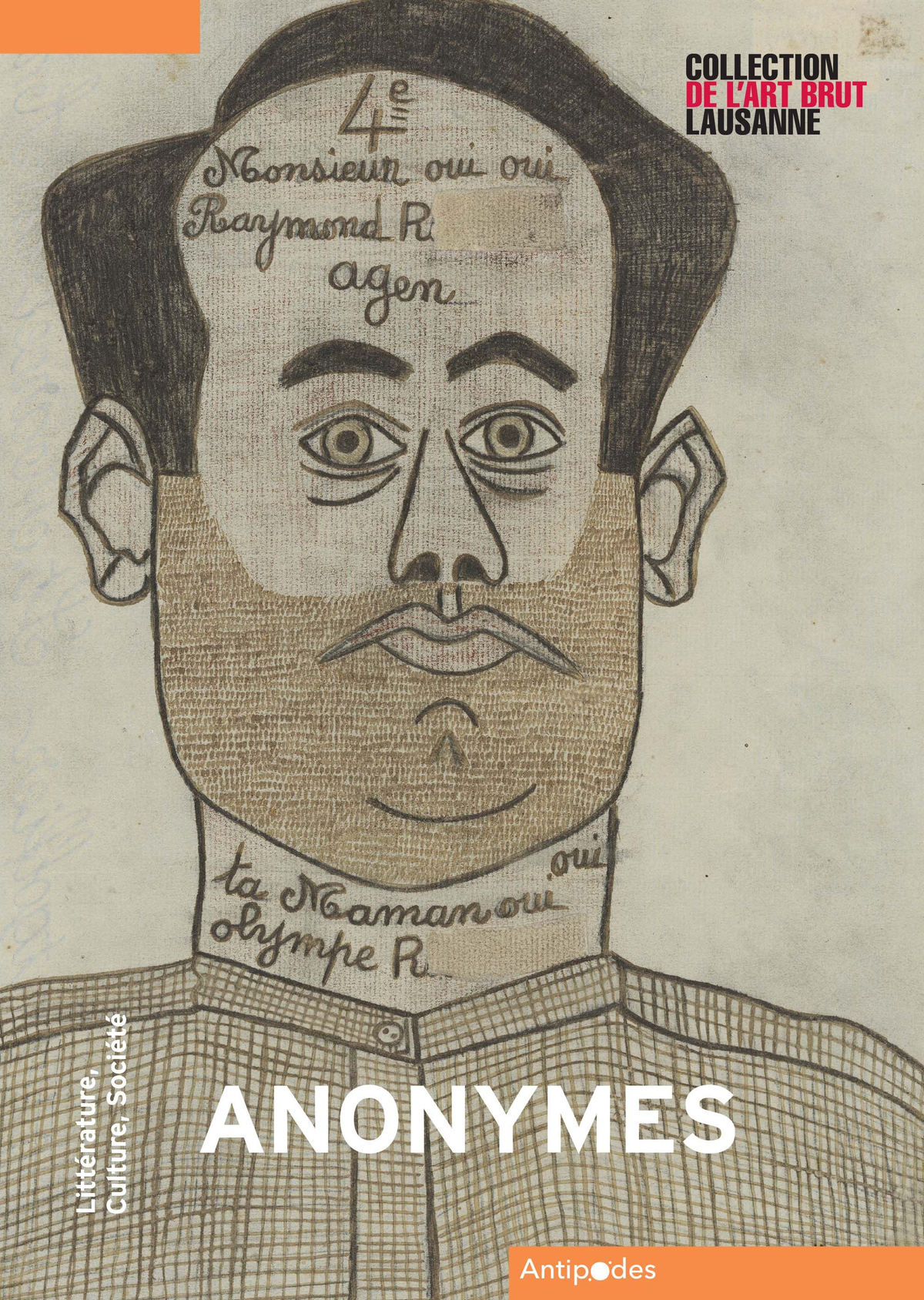
Gustavo Giacosa, Pascale Jeanneret, Sarah Lombardi, et al.,
Anonymes, Lausanne, Antipodes/ Collection de l’Art Brut, 2021, 180 pages.
Related to the author
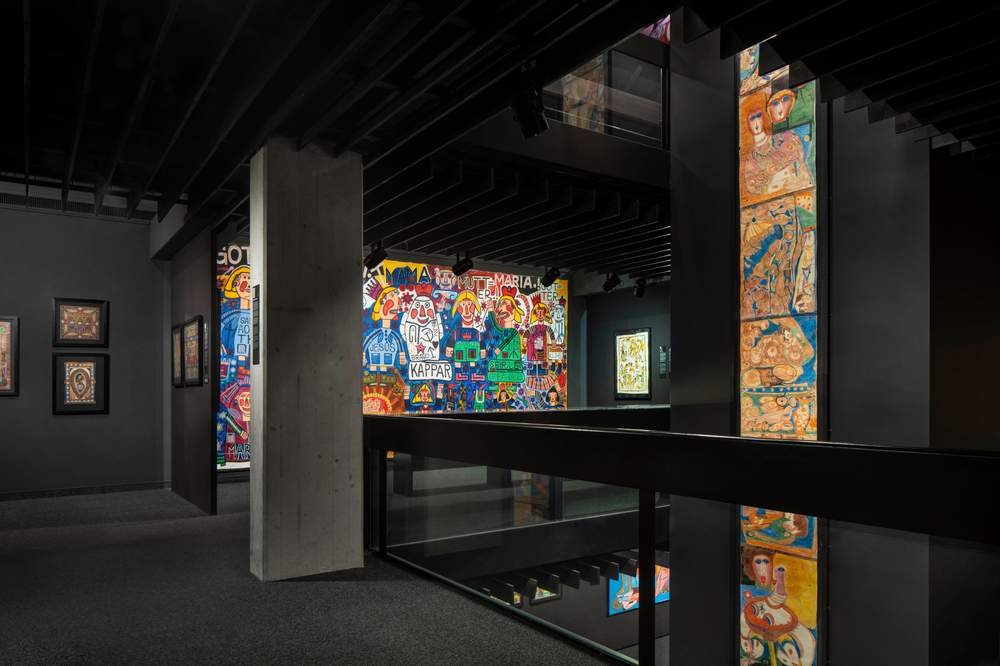
The museum constantly displays part of its collection, including works by major creators such as Aloïse Corbaz, Augustin Lesage, Marguerite Sirvins, and Auguste Walla. The Art Brut pieces are created by self-taught artists—solitary individuals living on the margins of society, patients of psychiatric hospitals—who produce work apart from tradition and artistic trends, without concern for public criticism or the gaze of others.
Every day from 10 am to 8 pm (except Tuesday)
Buy your ticket