1945
Jean Dubuffet embarks on his first scouting trip in Switzerland and quickly establishes connections with artists, writers and psychiatrists. The discovered works form the core of a collection that will continue to grow.
1947
The Foyer of Art Brut is located in the basement of the Drouin Gallery in Paris. However, the works are presented in a spirit of confidentiality.
1948
Jean Dubuffet founded, notably with André Breton and Jean Paulhan, the Compagnie de l'Art Brut, which settled in a Parisian pavilion loaned by the publisher Gaston Gallimard. It is composed of André Breton, Jean Paulhan, Charles Ratton, Henri-Pierre Roché, Michel Tapié, and Edmond Bomsel, with Jean Dubuffet as president.
1949
The exhibition L’Art Brut in the official galleries of the Drouin Gallery in Paris is the first Art Brut event to take place outside the Foyer de l’Art Brut. It is accompanied by the publication L’Art Brut préféré aux arts culturels (Paris, Galerie René Drouin, 1949), a manifesto by Dubuffet on Art Brut and its definitions.
1951
Following the dissolution of the Compagnie de l’Art Brut by Jean Dubuffet, the collection was housed at the home of his friend, the painter Alfonso Ossorio, in East Hampton, near New York. The American exile would last for more than ten years.
1962
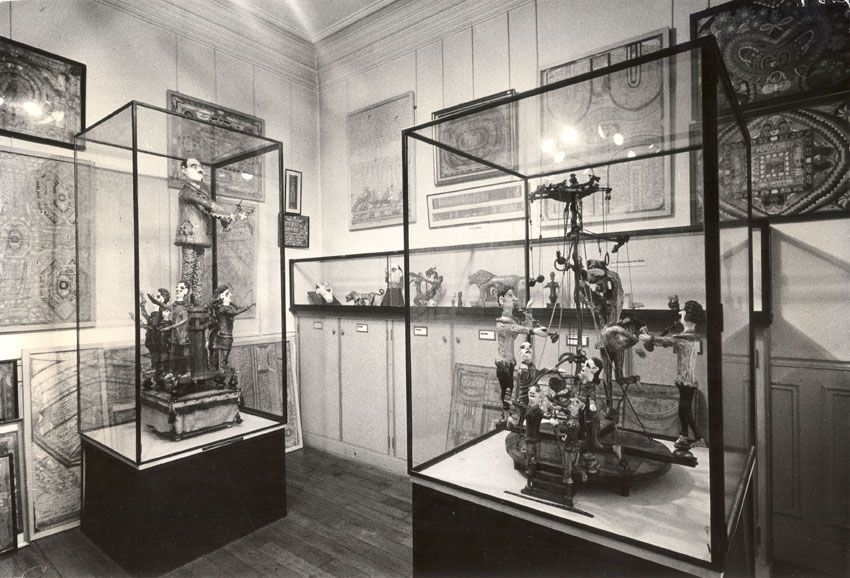
The works were brought back to Paris and installed in a private mansion. The painter Slavko Kopac served there as curator and archivist. A new Compagnie de l’Art Brut was formed and from then on operated as a study center. Only visitors considered to be genuinely interested were admitted. It was composed of Noël Arnaud, Henri Pol Bouché, Daniel Cordier, Asger Jorn, Slavko Kopac, Latis (Emmanuel Peillet, known as), and Raymond Queneau, with Jean Dubuffet at its head. The collection grew considerably thanks to research and donations.
1964
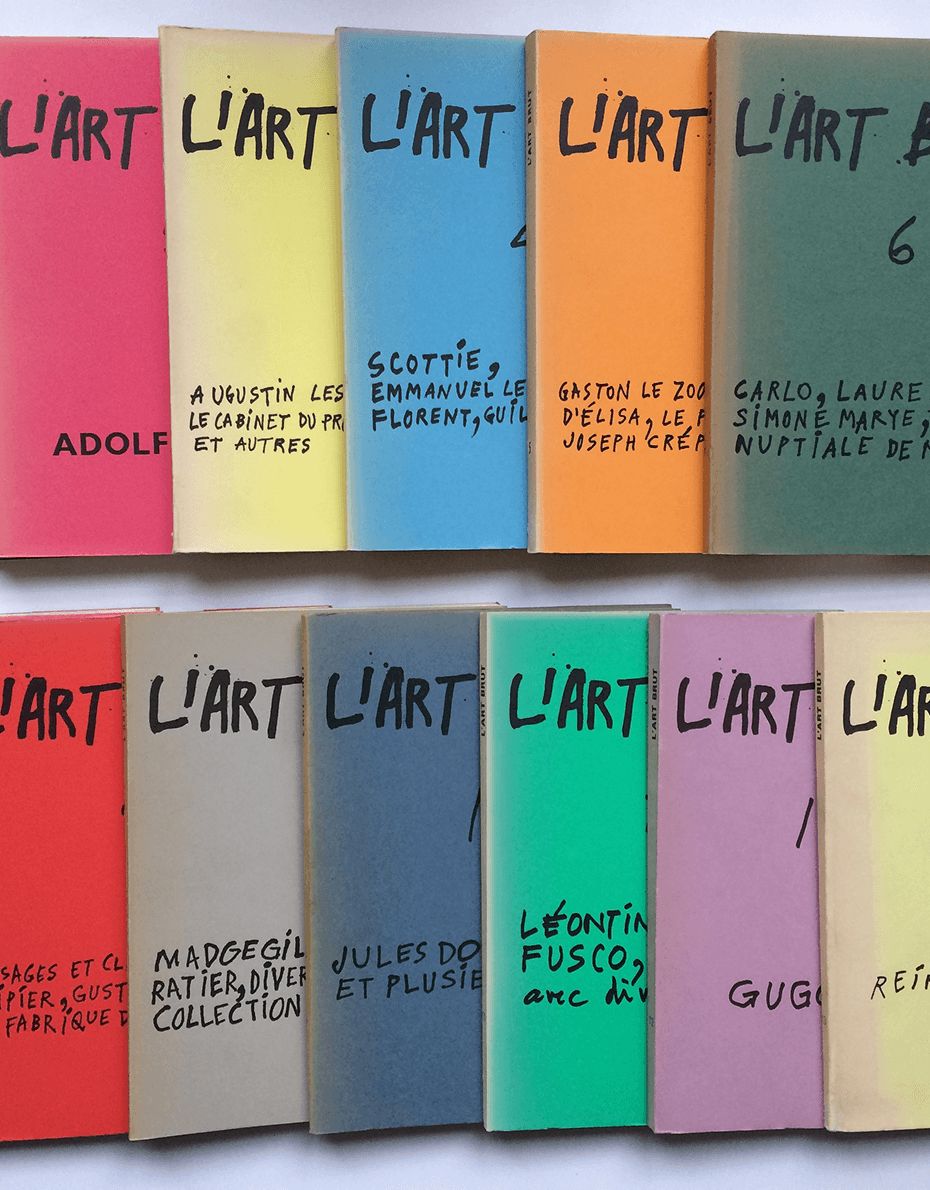
Publication of the first issue of the L’Art Brut booklets, an editorial series created by Jean Dubuffet and devoted to the women and men authors of Art Brut in the collection.
1967
The Museum of Decorative Arts of the City of Paris presents an exhibition “Art Brut”, which brings together 700 works by 75 female and male authors from the collection.
1971
Dubuffet donates the entire Art Brut collection – about 5,000 pieces – to the City of Lausanne. The deed of donation is ratified by the authorities a year later. Dissolution of the Compagnie de l’Art Brut by Jean Dubuffet, acting as liquidator.
1975
Publication of the first book on Art Brut, written by Michel Thévoz and published by Albert Skira (Geneva), entitled L’Art Brut, written at the request of Jean Dubuffet.
1976
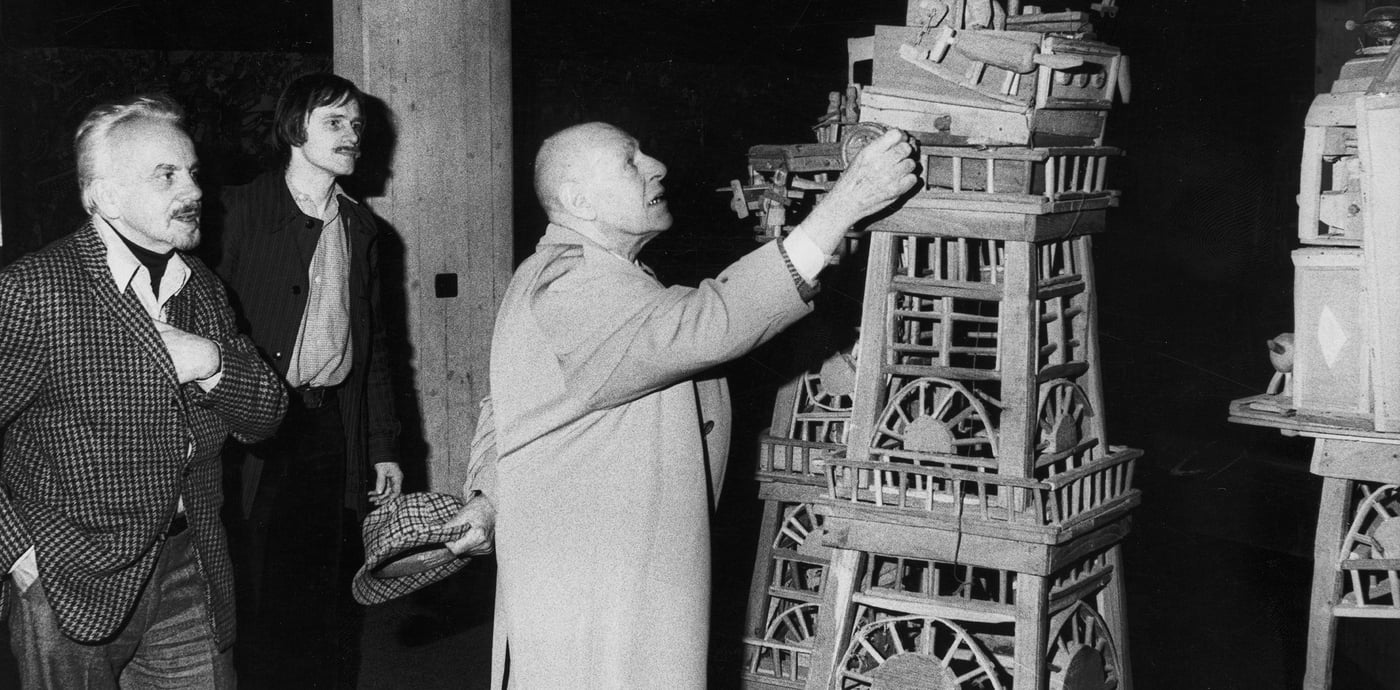
The Collection de l’Art Brut is inaugurated in one of the wings of the Château de Beaulieu in Lausanne (Switzerland). Michel Thévoz is appointed curator and Geneviève Roulin assistant curator. It is the first public museum in the world dedicated exclusively to Art Brut productions. More than 800 works are displayed in the permanent collection, and the first temporary exhibition is devoted to an Art Brut environment: Armand Schulthess / The Second Life of Armand Schulthess.
1979
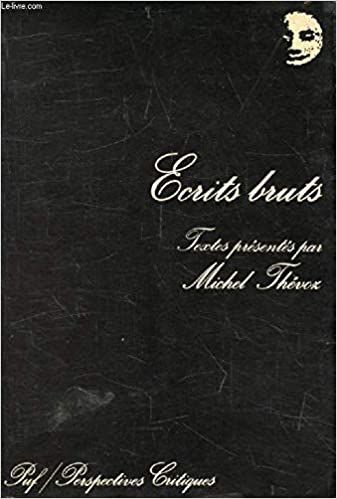
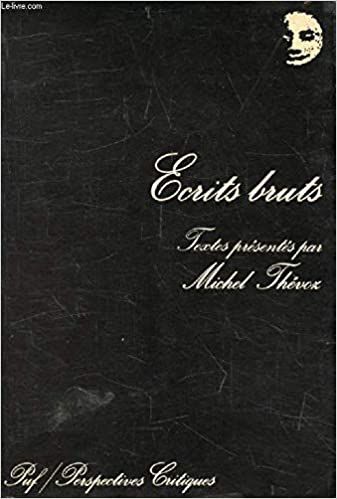
With the exhibition Les Écrits Bruts, Michel Thévoz opens up a new field of research in the domain of Art Brut.
1982
The Collection Annexe, created in 1962, was renamed Neuve Invention. This group brings together subversive and inventive works produced by professional artists who stand at odds with the cultural establishment, as well as works by self-taught creators that circulate within traditional art circuits.
1983
Inventive Art in Cuba : the first exhibition devoted to Cuban works, curated by Samuel Feijóo, a Cuban writer, intellectual, and self-taught artist, and a friend of Jean Dubuffet. It brings together, for the first time, works from outside Europe.
1985
Death of Jean Dubuffet.
1992
Major donation of works by Henry Darger, a leading American Art Brut author, to the Collection de l’Art Brut.
1997
Art Incognito : the first temporary exhibition bringing together works by Japanese women and men authors of Art Brut.
2001
Death of Geneviève Roulin, assistant curator since 1976.
Lucienne Peiry succeeds Michel Thévoz as director of the Collection de l’Art Brut. She notably expands the collections by seeking out new women and men authors from Asia and Africa.
2002
Development of a new exhibition gallery of approximately 300 m² in the attic spaces of the east wing of the Château de Beaulieu.
2005
Traveling exhibition Dubuffet & Art Brut, shown at the Collection de l’Art Brut, the Museum Kunst Palast in Düsseldorf (Germany), and the Musée d’art moderne Lille Métropole in Villeneuve d’Ascq (France). It brings together works by Jean Dubuffet alongside Art Brut productions from the Lausanne museum.
Le Royaume de Nek Chand : the first exhibition in Europe to present works from the environment created by this Indian author, located in Chandigarh, India. At the same time, around one hundred works are shown across six exhibition venues abroad: La Fabuloserie, Dicy (France); the Saline Royale, Arc-et-Senans (France); the Grandes Serres of the Parc de la Tête d’Or, Lyon (France); Museum Dr. Guislain, Ghent (Belgium); and Espace Porta Decumana, Autonomous Region of Aosta Valley (Italy).
The museum begins producing and publishing documentary films on women and men authors of Art Brut to accompany its exhibitions.
2010
Frédéric Bruly Bouabré and Ataa Oko : the first monographic exhibitions at the Collection de l’Art Brut devoted to African authors.
Renovation work and transformation of the lighting system with LED technology.
2012
Sarah Lombardi is appointed interim director. Lucienne Peiry is appointed Director of Research and International Relations from 2012 to 2014.
The Collection de l’Art Brut and the Musée cantonal des Beaux-Arts in Lausanne simultaneously present a monographic exhibition, Aloïse. Le ricochet solaire, on the occasion of the publication of the electronic catalogue raisonné of her work, produced by the Fondation Aloïse in collaboration with the Swiss Institute for Art Research (SIK-ISEA).
2013
Sarah Lombardi is appointed director of the Collection de l’Art Brut. Emphasis is placed on enhancing the museum’s collections, notably through the establishment of the Art Brut Biennials : thematic exhibitions bringing together exclusively works from the Lausanne holdings. The exhibition and publication policy highlights both historical figures of Art Brut and contemporary women and men authors, while also fostering intensified collaborations with related institutions, as well as with contemporary art institutions in Switzerland and abroad.
Vehicles : the first Art Brut Biennial, accompanied by a new bilingual (French–English) editorial series entitled Art Brut. The Collection, co-published with 5 Continents Éditions (Milan).
2016
February marks the fortieth anniversary of the Collection de l’Art Brut. On this occasion, the anniversary exhibition L’Art Brut de Jean Dubuffet, aux origines de la collection revisits the historic exhibition L’Art Brut of 1949 at the Drouin Gallery in Paris, bringing together a large number of works that were presented at the time.
Publication of the exhibition catalogue L’Art Brut de Jean Dubuffet, aux origines de la collection, co-published with Flammarion (Paris).
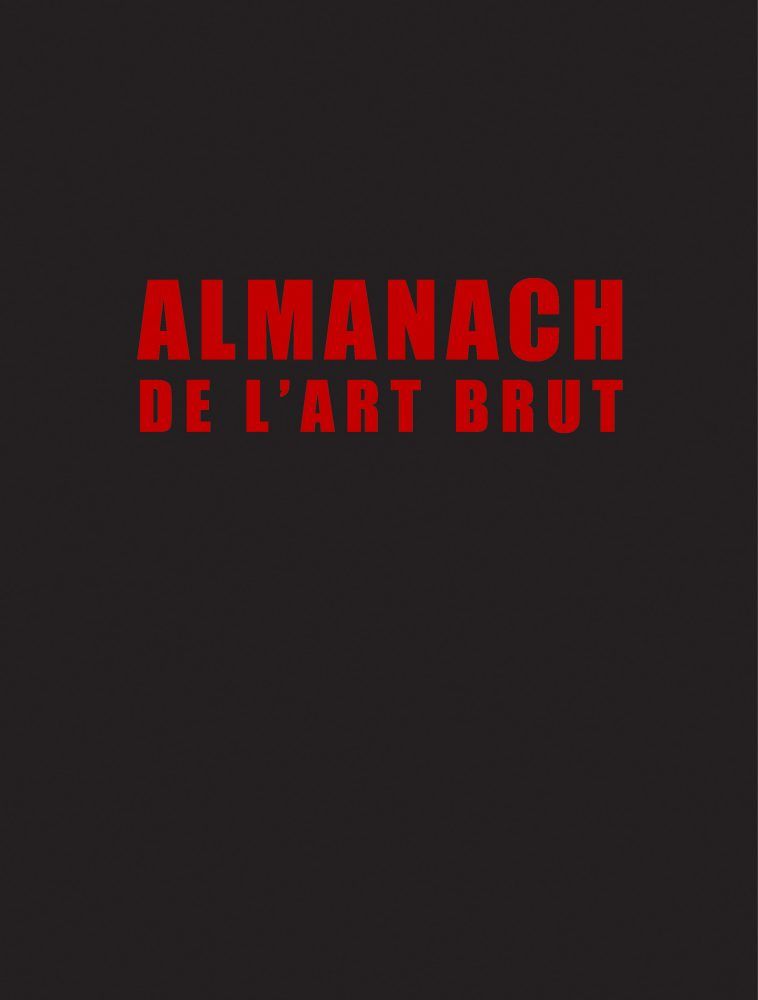
Publication of a facsimile edition of Almanach de l’Art Brut (original 1948 mock-up), co-published with 5 Continents Éditions (Milan), an editorial project by Jean Dubuffet that was originally intended to be published by Gallimard in 1949 but was ultimately abandoned.
Creation within the museum of the Espace Jean Dubuffet : a gallery dedicated to the origins of the Collection de l’Art Brut.
International symposium Actualité et enjeux critiques de l’Art Brut, organized in collaboration with the Faculty of Arts of UNIL and the Swiss Institute for Art Research (SIK-ISEA), addressing contemporary issues and critical challenges related to Art Brut.
2017
Publication of the Albums photographiques de Jean Dubuffet, co-published with 5 Continents Éditions (Milan), a major editorial project bringing together nearly 800 photographs of Art Brut works or related productions (graffiti, tattoos, naïve art, etc.) collected by Jean Dubuffet between 1945 and 1970 in photo albums preserved in the museum’s archives.
Revival of the anniversary exhibition Jean Dubuffet's Art Brut. Die Anfänge seiner Sammlung at the Gugging Museum, near Vienna (Austria).
2018
Art Brut. Swiss Made : the first traveling exhibition on Art Brut in Switzerland produced by the museum. After Lausanne, it toured Ticino (Museo contemporaneo d’arte, Ascona) and German-speaking Switzerland (Kunstmuseum, Aarau).
2019
Revival of the anniversary exhibition Jean Dubuffet’s Art Brut: the origins of the collection at the Outsider Art Museum in Amsterdam (Netherlands).
Exhibition Art Brut XXL. Taking advantage of its temporary closure due to renovation work related to the installation of an elevator, the museum presented a large-format photographic exhibition in the gardens of the Château de Beaulieu, featuring Art Brut environments from various regions of the world, in collaboration with the association Spaces (USA).
À l’écoute des œuvres : production of audio descriptions of six major works presented in the permanent collection for visually impaired audiences, accompanied by the publication of a booklet in Braille.
2021
Redesign of the museum reception area, including a library for consulting books sold in the bookshop. Installation of a container in the museum courtyard connecting it to the reception area and including a cloakroom.
2022
Art Brut et bande dessinée : the first exhibition in the field of Art Brut bringing together works from the museum’s collection and loans from other institutions and private collections related to this theme.
2023
Photomachinées : the first exhibition at the Collection de l’Art Brut bringing together a group of 452 anonymous photographs donated to the museum and added to the Neuve Invention collection.
2024
Inauguration of La Cabane : an educational space dedicated to very young children, located at the heart of the museum, offering an opportunity to discover Art Brut through playful activities.
Symposium Visage en création dans l’Art Brut et ailleurs, organized alongside the Art Brut Biennial Visages by the Collection de l’Art Brut, in collaboration with the Institute of Psychology (LARPsyIDS Laboratory), UNIL, and La Grange de Dorigny, University of Lausanne, Vortex/Le Nucleo.
International symposium Les ateliers de création : nouvelles sources pour l’Art Brut?, bringing together Art Brut specialists, workshop coordinators, and artists from various organizations, as well as cultural and social policy stakeholders from the City of Lausanne and the Canton of Vaud. It accompanies the monographic exhibitions on Pascal Vonlanthen and Clemens Wild, two contemporary authors creating within workshops in Switzerland.
2025
A Walk on the Wild Side: Artworks from the Collection de l’Art Brut and Elsewhere. The first Art Brut exhibition in China, bringing together 234 works by 49 artists from the museum’s collections, presented at the Power Station of Art in Shanghai, one of the largest public contemporary art museums in China.
2026
The museum celebrates its 50th anniversary. On this occasion, the anniversary exhibition Art Brut in Switzerland – From the Origins of the Collection to the Present, brings together more than 300 works by women and men authors of Swiss origin or who created their work in Switzerland.
Publication of the exhibition catalogue Art Brut in Switzerland – From the Origins of the Collection to the Present, co-published with 5 Continents Éditions (Milan), exploring the close and lasting ties maintained by Jean Dubuffet with Switzerland.
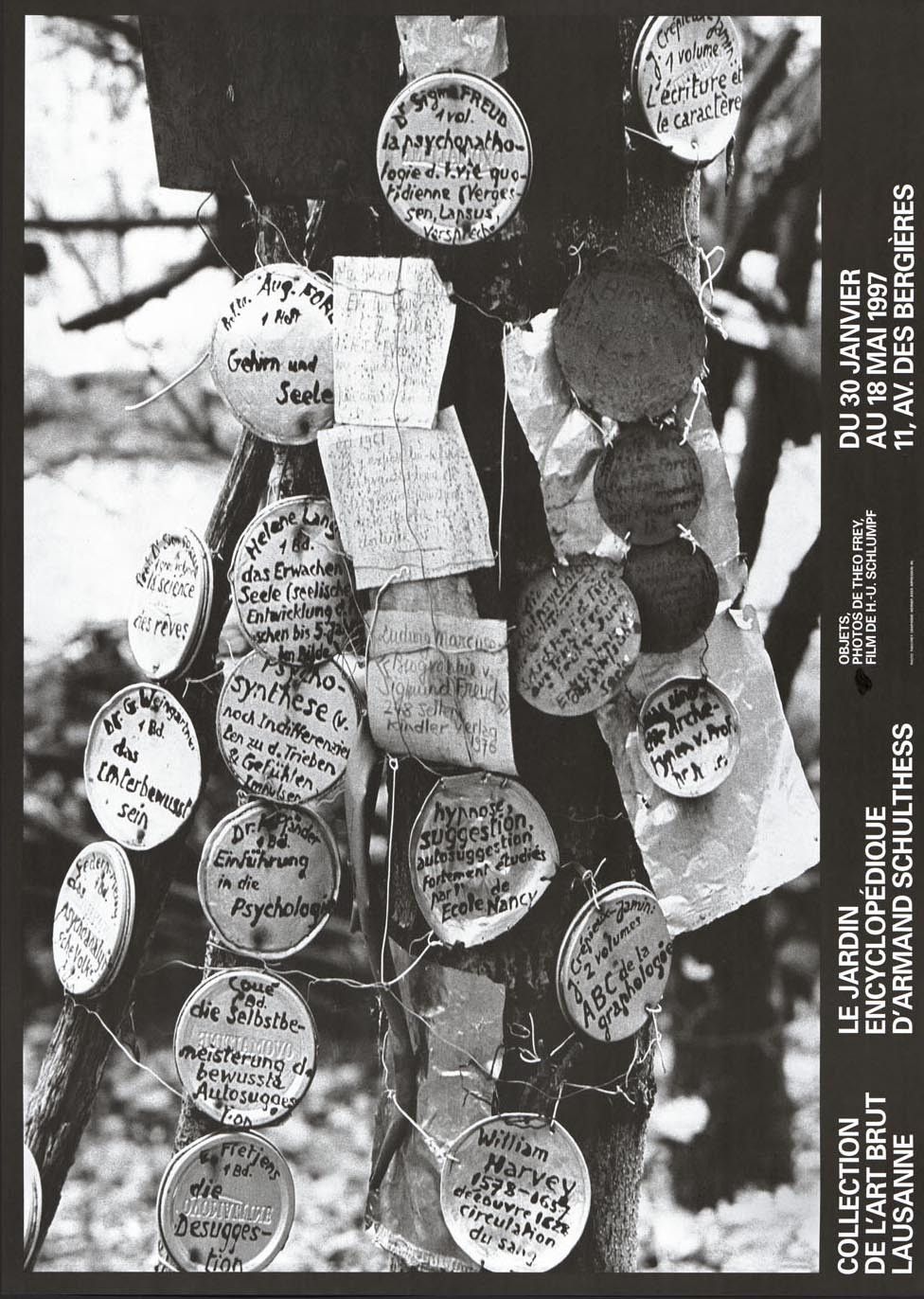
Publication of 50 affiches de la Collection de l’Art Brut, co-published with 5 Continents Éditions (Milan), bringing together a selection of 50 exhibition posters presented at the Collection de l’Art Brut between 1976 and 2026 and designed by Swiss graphic designer Werner Jeker (Les Ateliers du Nord, Lausanne).
Festival Art Brut en fête, featuring a rich program of events held both within the museum and off-site, highlighting the elective affinities between Art Brut and disciplines such as theater, music, cinema, photography, literature, and comics—topics previously explored through monographic or thematic exhibitions produced by the museum.